Hearing Care On Wheels

Mobile audiology that comes to you.

Mobile Audiology Service delivers comprehensive hearing screening and testing in a state-of-the-art mobile booth. Audiometric testing, tympanometry, OAE screening, hearing aid fitting and verification, industrial hearing conservation programs, and school screening — on your site, same-day service.

Mobile audiology van and audiometric testing
80%
Compliance Improvement
ANSI
S3.6 Certified
Medicare
Direct Access 2026
100+
Sites Served Annually

Comprehensive Audiology Services

Mobile audiometric testing, tympanometry, OAE screening, hearing aid verification, industrial conservation programs, and school screening in a fully equipped on-site booth.

Mobile Audiometric Testing

ANSI S3.6 compliant hearing tests in a calibrated soundproof mobile booth.

Tympanometry

Eustachian tube function and middle ear pressure assessment.

OAE Screening

Otoacoustic emissions testing for newborn and pediatric hearing screening.

Hearing Aid Verification

Real-ear measurements and programming verification for hearing aid fittings.

Industrial Hearing Conservation

OSHA baseline and annual surveillance for noise-exposed workers.

School Screening Programs

K-12 hearing screening with referral coordination and documentation.

Audiology & Hearing Health News

Industry updates, Medicare coverage changes, and field stories from mobile audiology programs.

Educational

Why Accessibility Matters: The Case for Mobile Audiology in Hearing Conservation

A common challenge in occupational and community hearing programs is follow-through — people who screen positive don't always return for the confirmatory testing or fitting they need. Reducing the barriers to that follow-up, especially travel and time off work, is a plausible way to improve completion, though the size of that effect depends heavily on the population and program design.

Bringing audiometry to the workplace or facility is one way to lower those barriers. Public-health and audiology sources emphasize that consistent audiometric surveillance is central to catching noise-induced hearing loss early, and that access is a recurring obstacle in reaching workers where specialists are scarce. Teleaudiology has emerged as a complementary tool for extending that reach.

We are not aware of a single definitive study establishing a universal figure for how much more compliant mobile screening is than clinic-based testing; results vary by setting. Readers evaluating specific claims should look to the primary literature and to authoritative bodies such as NIOSH and ASHA rather than to any one vendor's number.

Sources: CDC/NIOSH Noise; ASHA

Apr 22, 20268 min read
Informative

Medicare and Direct Access to Audiology: What Has Actually Changed

Medicare's approach to audiology has been evolving. Beginning in 2023, CMS implemented a policy allowing beneficiaries, in defined circumstances, to see an audiologist for certain non-acute diagnostic services without a physician order, using a specific billing modifier — a meaningful step toward more direct access, though narrower than removing referral requirements entirely.

Broader change would require legislation. Bills such as the proposed Medicare Audiologist Access and Services Act have sought to expand audiologists' role and access under Medicare, but whether and when any such measure becomes law is uncertain. Anyone planning around reimbursement should rely on current CMS guidance rather than on projected policy.

Because the specifics — covered services, modifiers, and any future expansion — can change and carry real billing consequences, the details here should be verified against official CMS and Medicare sources before acting on them.

Sources: CMS Physician Fee Schedule; Medicare.gov Hearing & Balance

Apr 18, 20266 min read
Field Notes

Hearing Care in Military and Veteran Communities: Why On-Site Access Resonates

Hearing loss and tinnitus are among the most common service-connected conditions among U.S. veterans, reflecting the noise exposure inherent in military environments — weapons, aircraft, and vehicles. That makes accessible, recurring hearing care especially relevant to service members and veterans.

On-site and mobile clinics can lower the friction of getting tested: no separate trip, familiar surroundings, and a predictable schedule. Programs often find that when access is easy, people are more willing to come in for follow-up, and a regular presence builds the trust that keeps them returning for surveillance over time.

The Department of Veterans Affairs is one of the largest providers of audiology services in the country, and NIDCD offers public information on hearing loss and its prevention. Specific outcomes at any one site will vary; the broader point is that reducing access barriers supports consistent hearing conservation.

Sources: U.S. Department of Veterans Affairs; NIDCD

Apr 10, 20265 min read

Schedule your hearing assessment.

Tell us your location and population to serve. We bring comprehensive audiology testing on-site.

2026 Hearing Conservation Update

The standards, statistics, and technology shaping mobile audiology and workplace hearing protection this year.

OSHA's Hearing Conservation Standard

OSHA's standard (29 CFR 1910.95) requires a hearing conservation program for workers exposed at or above 85 dBA averaged over 8 hours — including noise monitoring, annual audiometric testing, hearing protection, training, and recordkeeping. Source: OSHA 29 CFR 1910.95; industry reporting, 2026.

Preventable, but Permanent

About 22 million U.S. workers face hazardous workplace noise each year. Noise-induced hearing loss is permanent once it develops — yet it is 100% preventable with monitoring, hearing protection, and regular audiometric testing. Source: industry reporting, 2026.

Teleaudiology Expands Access

Teleaudiology and automated, AI-assisted audiometry are expanding access to hearing testing where specialists are scarce — a strong fit for mobile and on-site programs that bring the booth to the worker. Source: industry reporting, 2026.

Free Guide · PDF

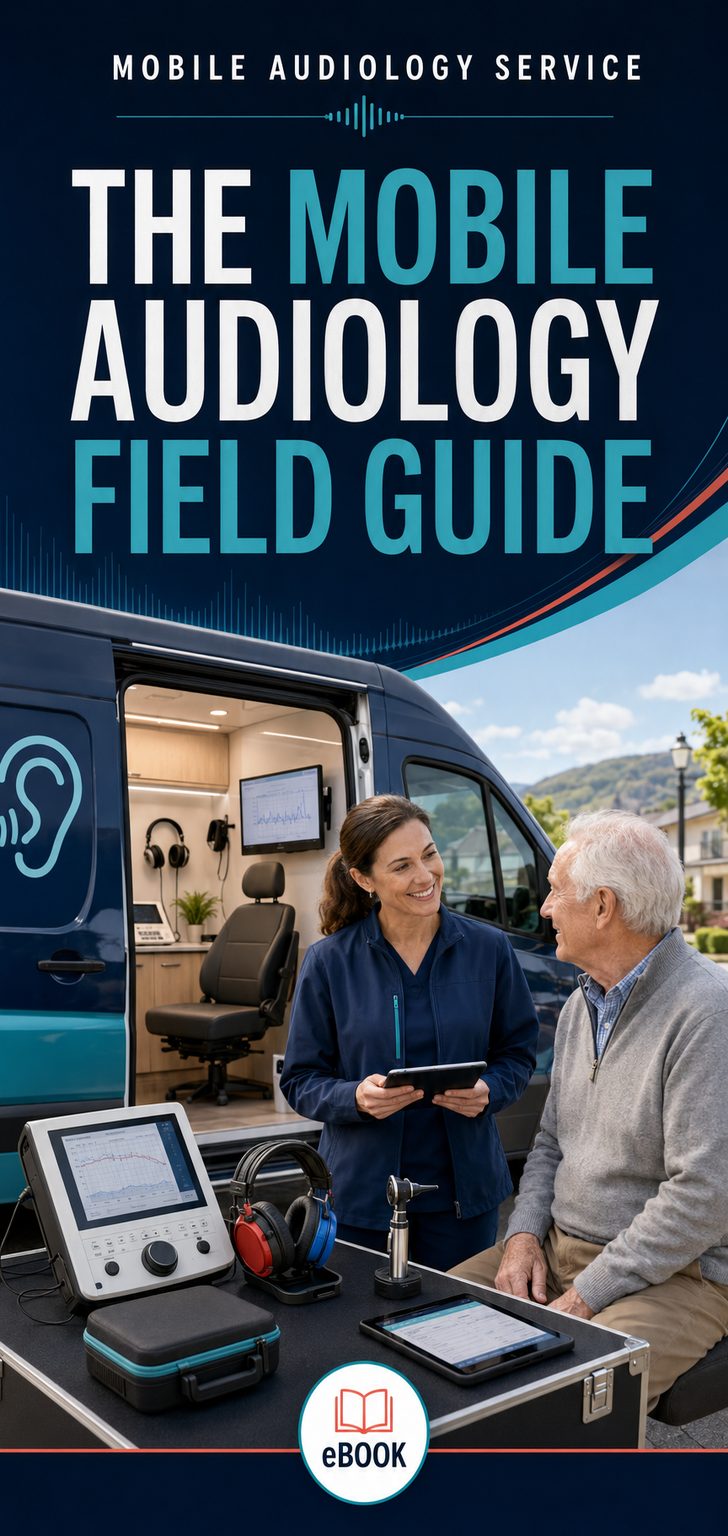
The Mobile Audiology Field Guide

Download our free illustrated guide — practical, current, and written for 2026.

↓ Download the eBook
Watch

Videos

FAQ

Frequently Asked Questions

What hearing services do you offer?
Hearing screenings, diagnostic audiometric testing, hearing aid fittings, and follow-up care.
Do you work with veterans and VA benefits?
Yes. We help eligible veterans access hearing care and hearing aids through applicable VA programs.
How often should hearing be tested?
Adults should have a baseline test and periodic re-checks, especially with noise exposure or noticeable changes in hearing.
How do I book an appointment?
Call (424) 204-2382 or email info@mobileaudiologyservice.com to schedule.
Devin Lockett, Founder
About the Founder

Devin Lockett

Devin Lockett is the founder and entrepreneur behind this venture and the wider BiomedRx family of companies—spanning healthcare technology, wellness, media, and community initiatives. He builds brands focused on quality, service, and independent ownership.

Shop

Recommended on Amazon

As an Amazon Associate we earn from qualifying purchases. Prices and availability are subject to change.

Get cash back when you join Amazon Prime
View on Amazon →
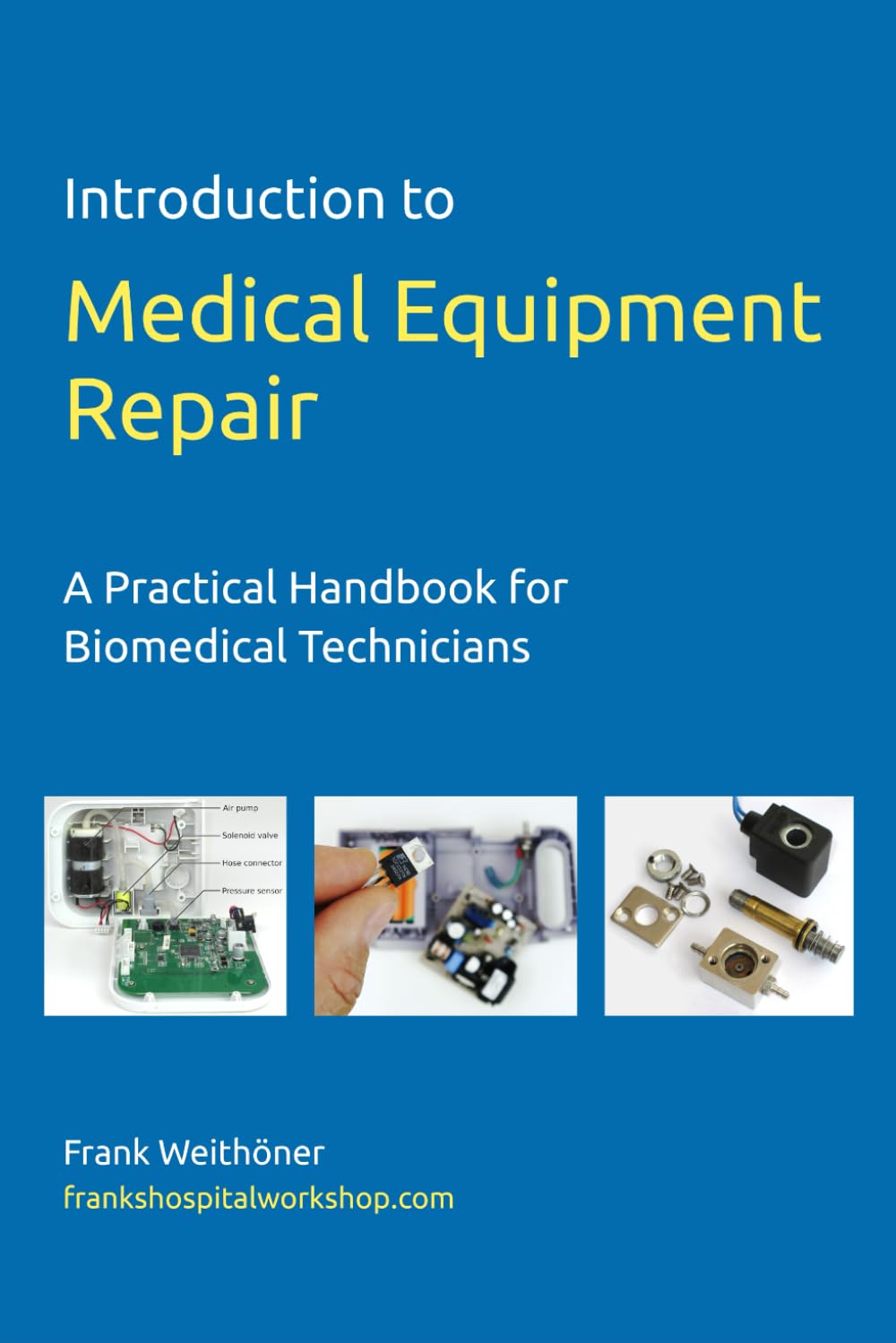
Introduction to Medical Equipment Repair
View on Amazon →
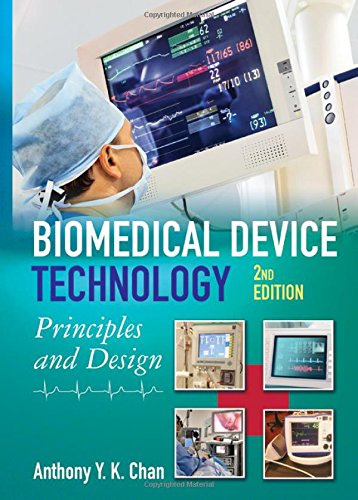
Biomedical Device Technology
View on Amazon →
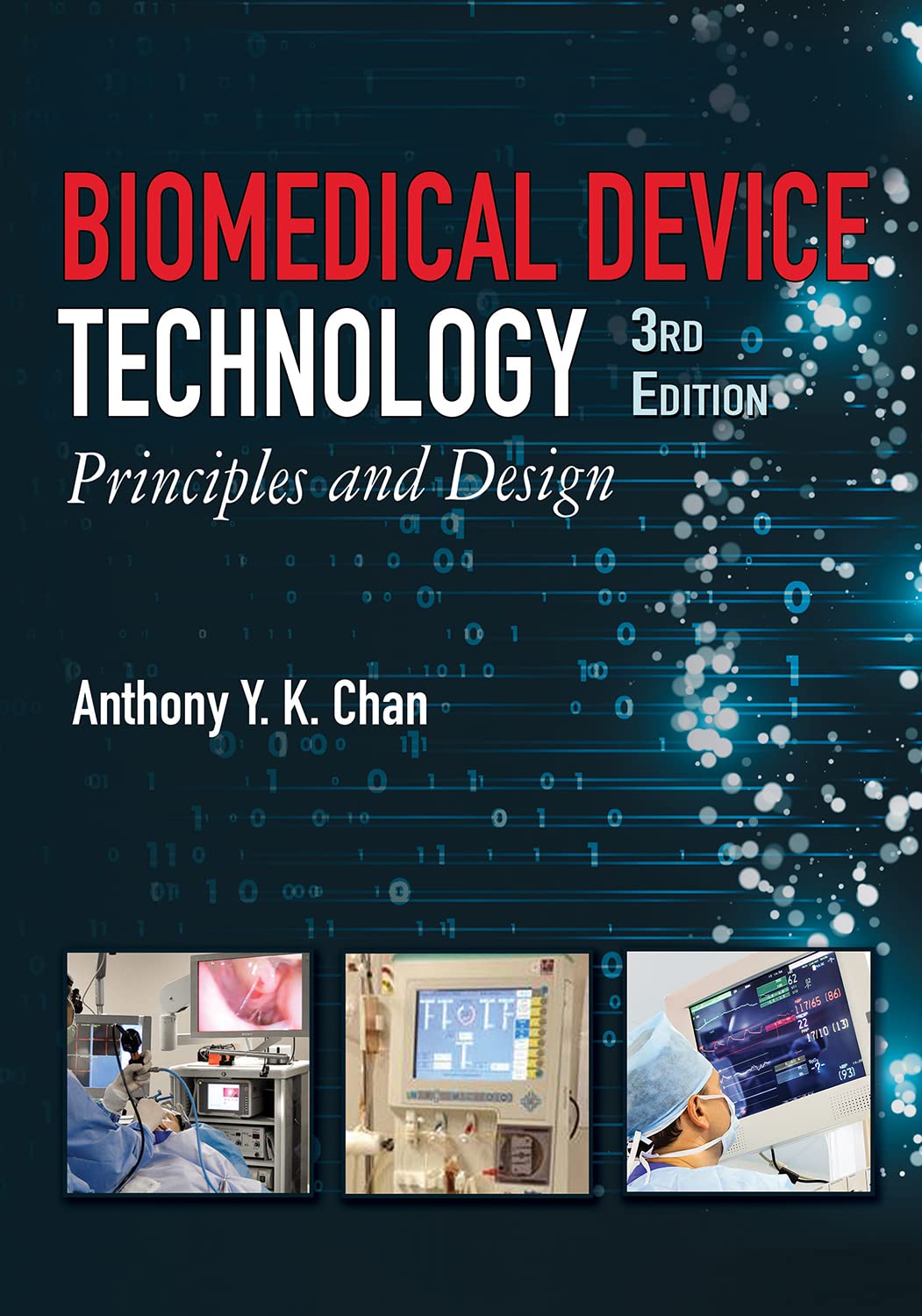
Biomedical Device Technology
View on Amazon →
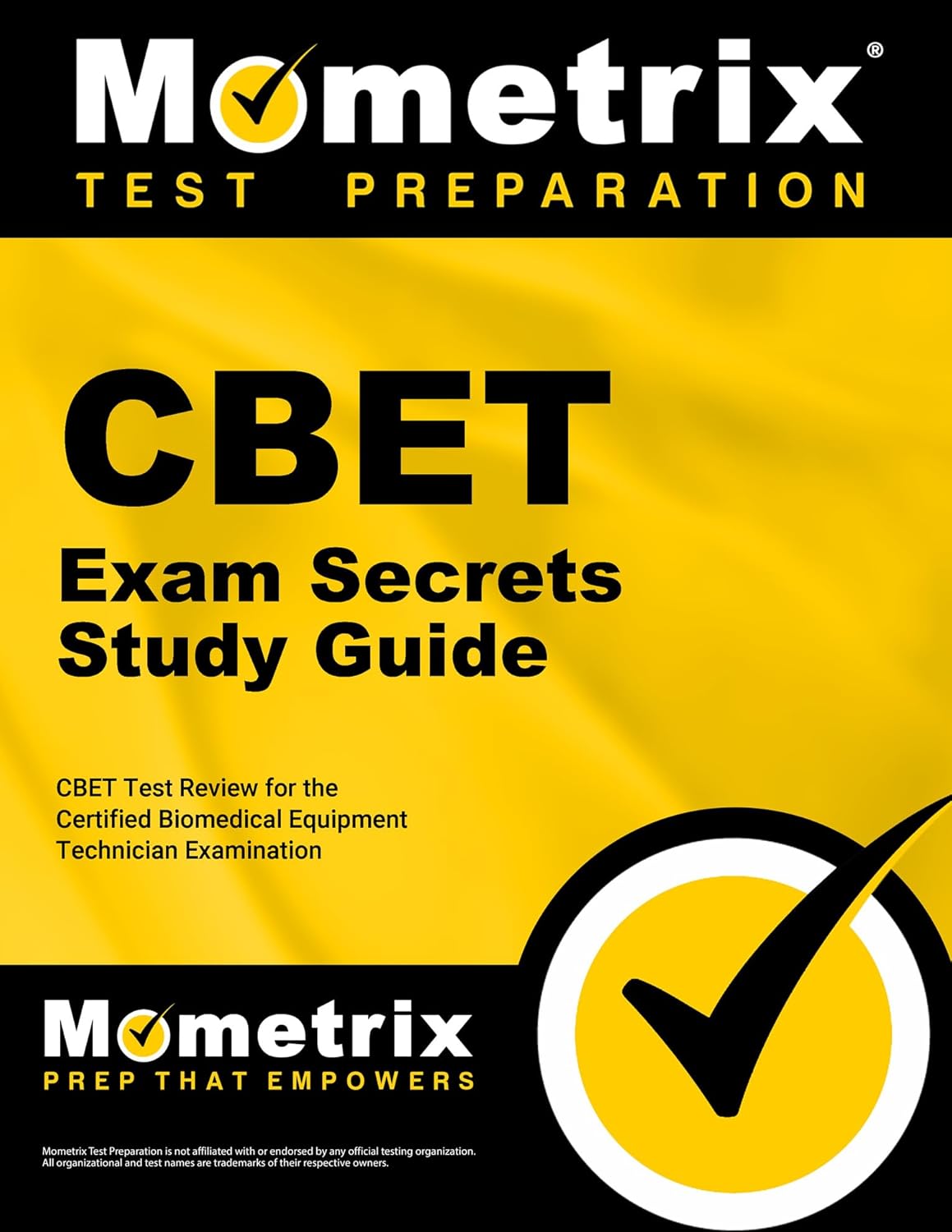
CBET Exam Study Guide
View on Amazon →
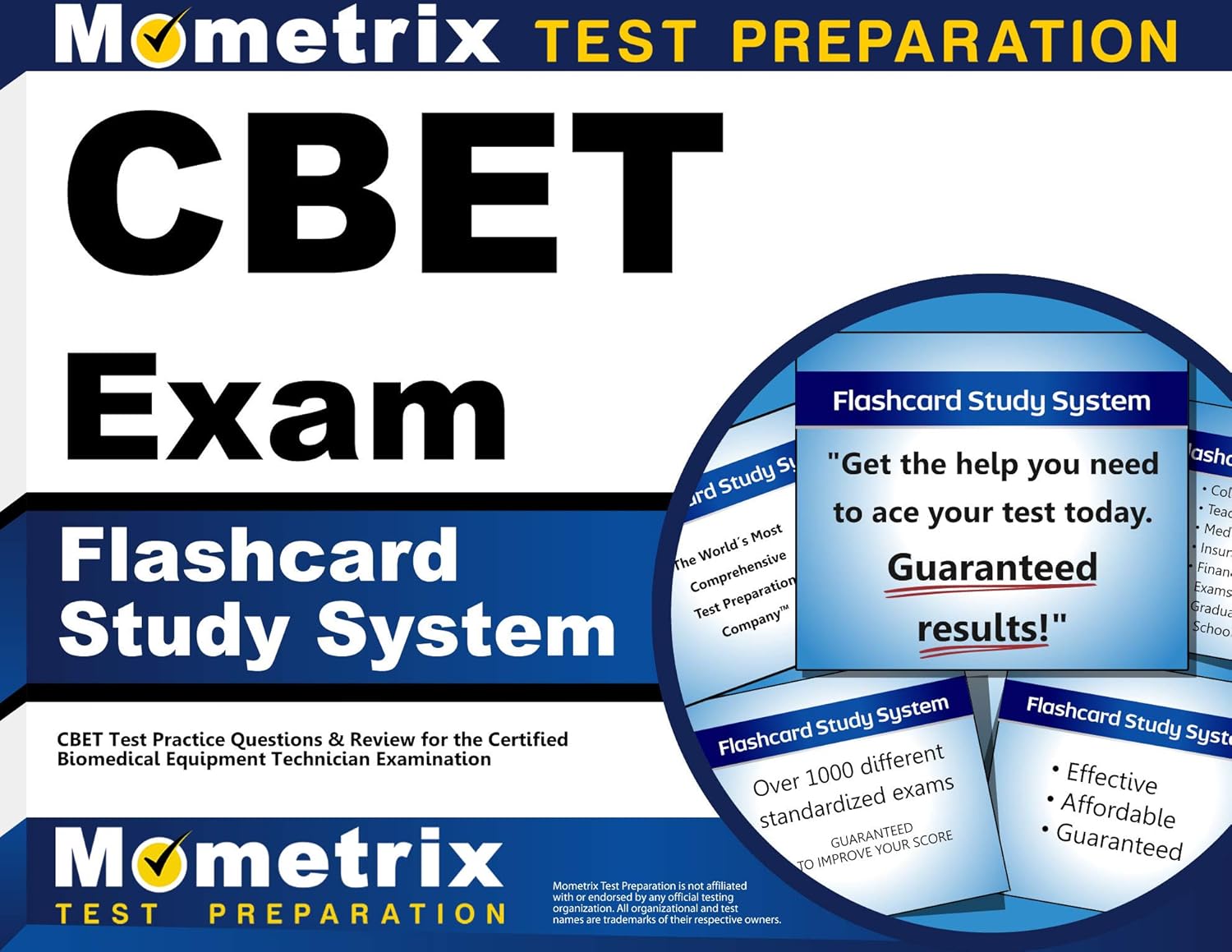
CBET Exam Flash Cards
View on Amazon →
Repair and Maintenance of Medical Devices
View on Amazon →
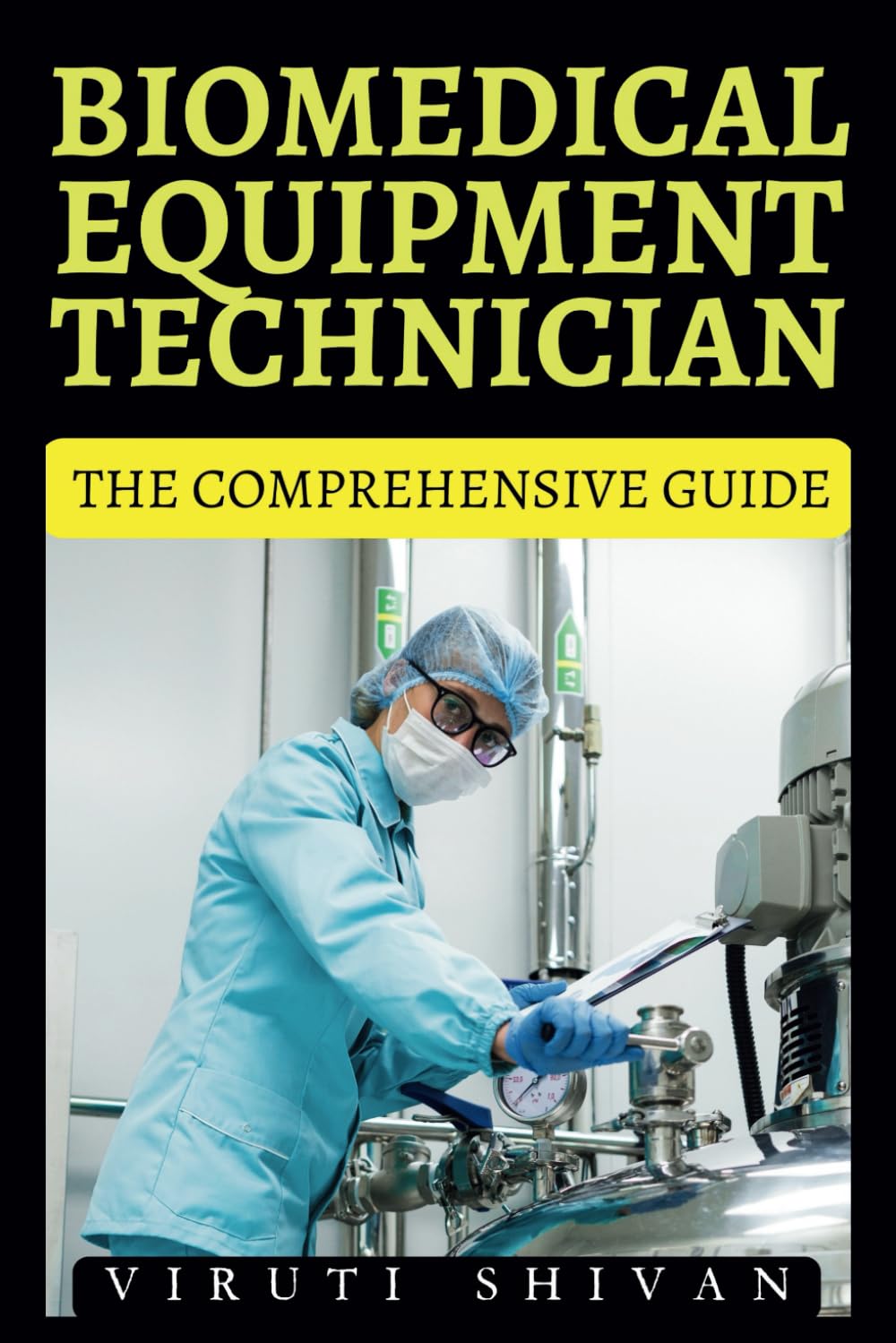
Biomedical Equipment Technician
View on Amazon →
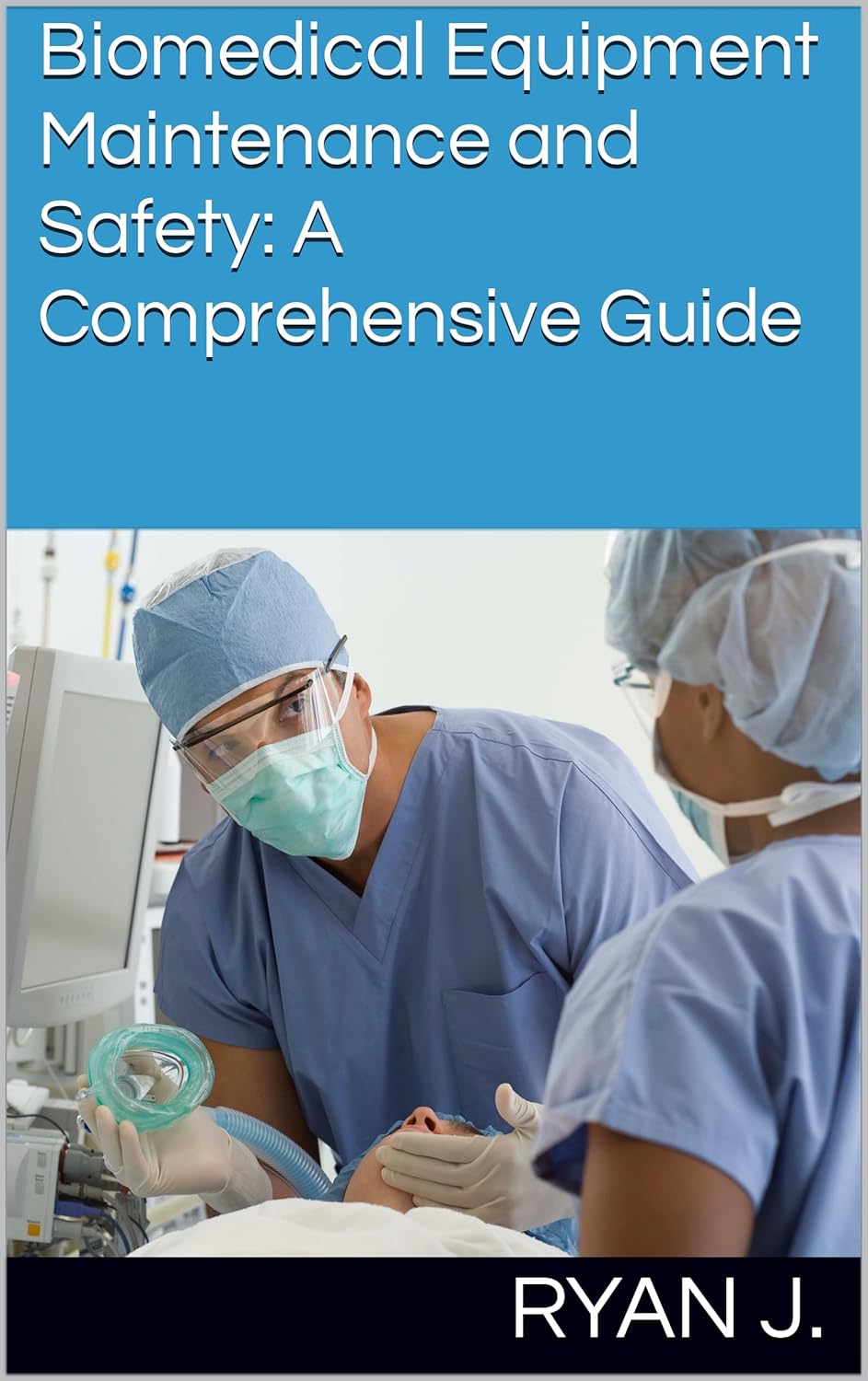
Biomedical Equipment Maintenance and Safety
View on Amazon →
Medical Equipment Maintenance Management and Oversight
View on Amazon →
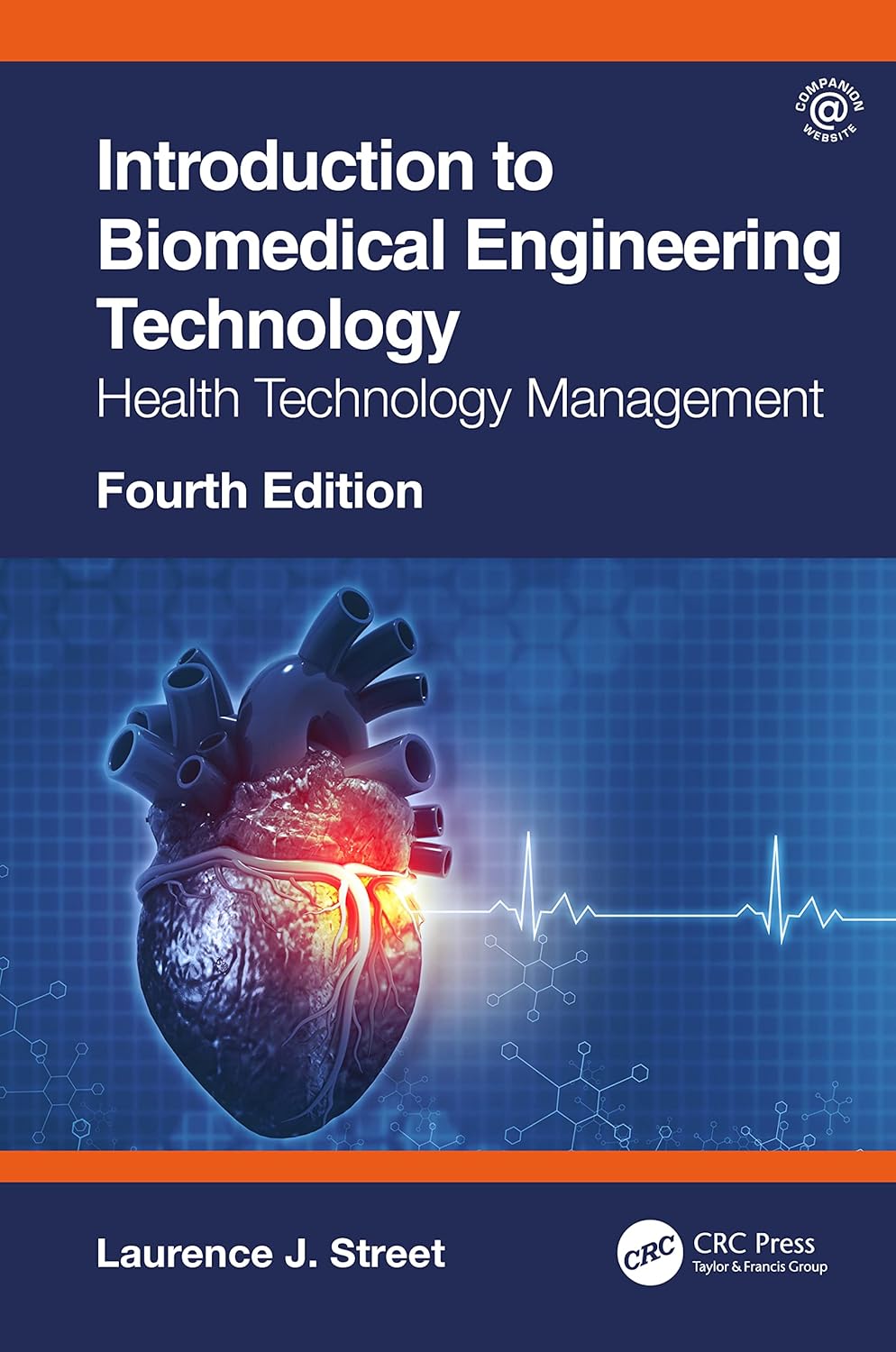
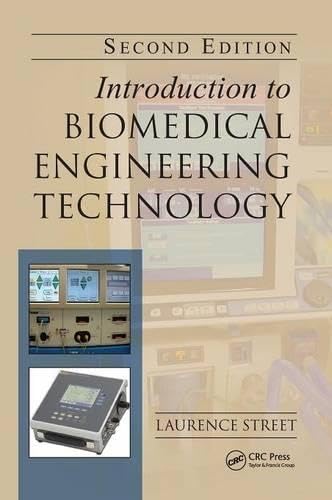
Introduction to Biomedical Engineering Technology
View on Amazon →
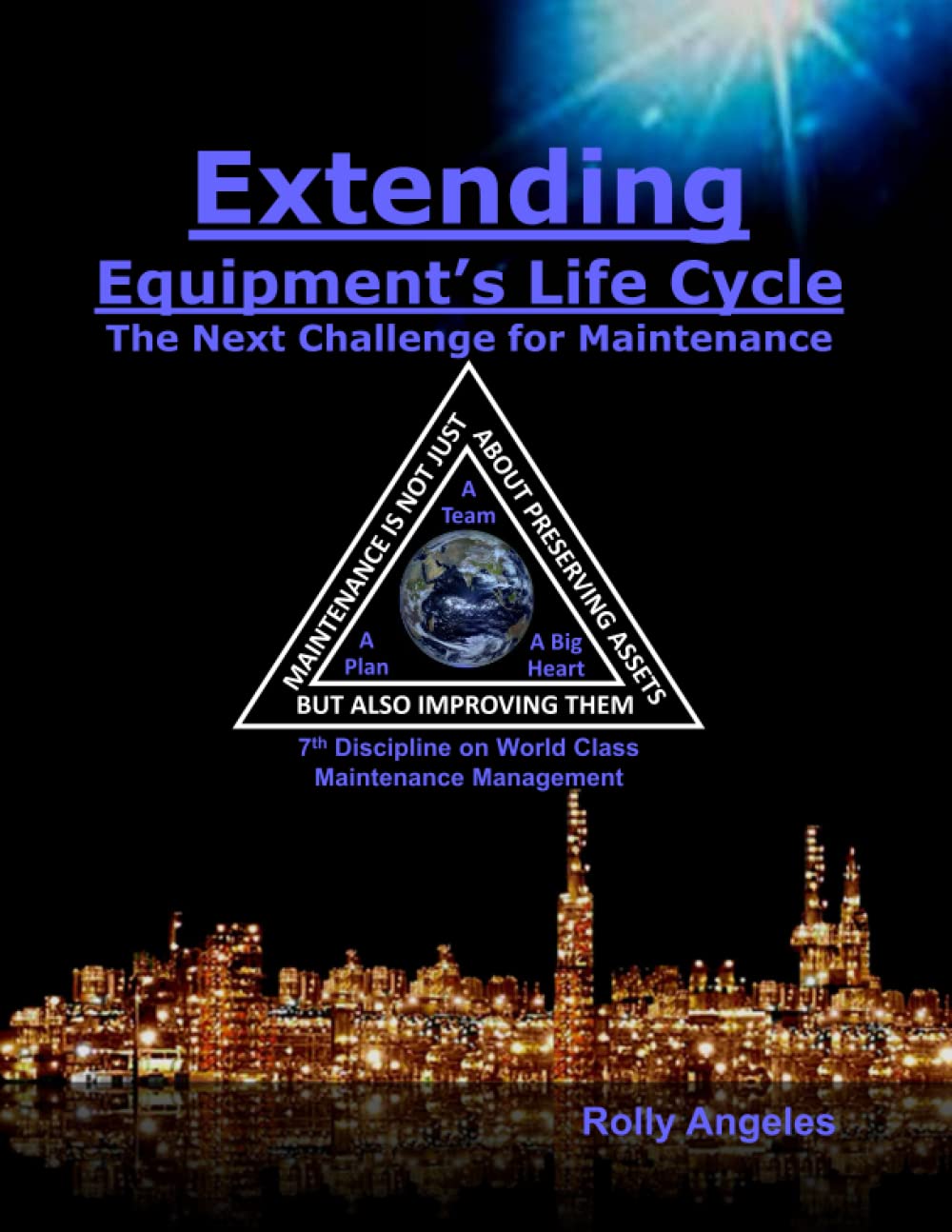
Extending Equipment's Life Cycle
View on Amazon →
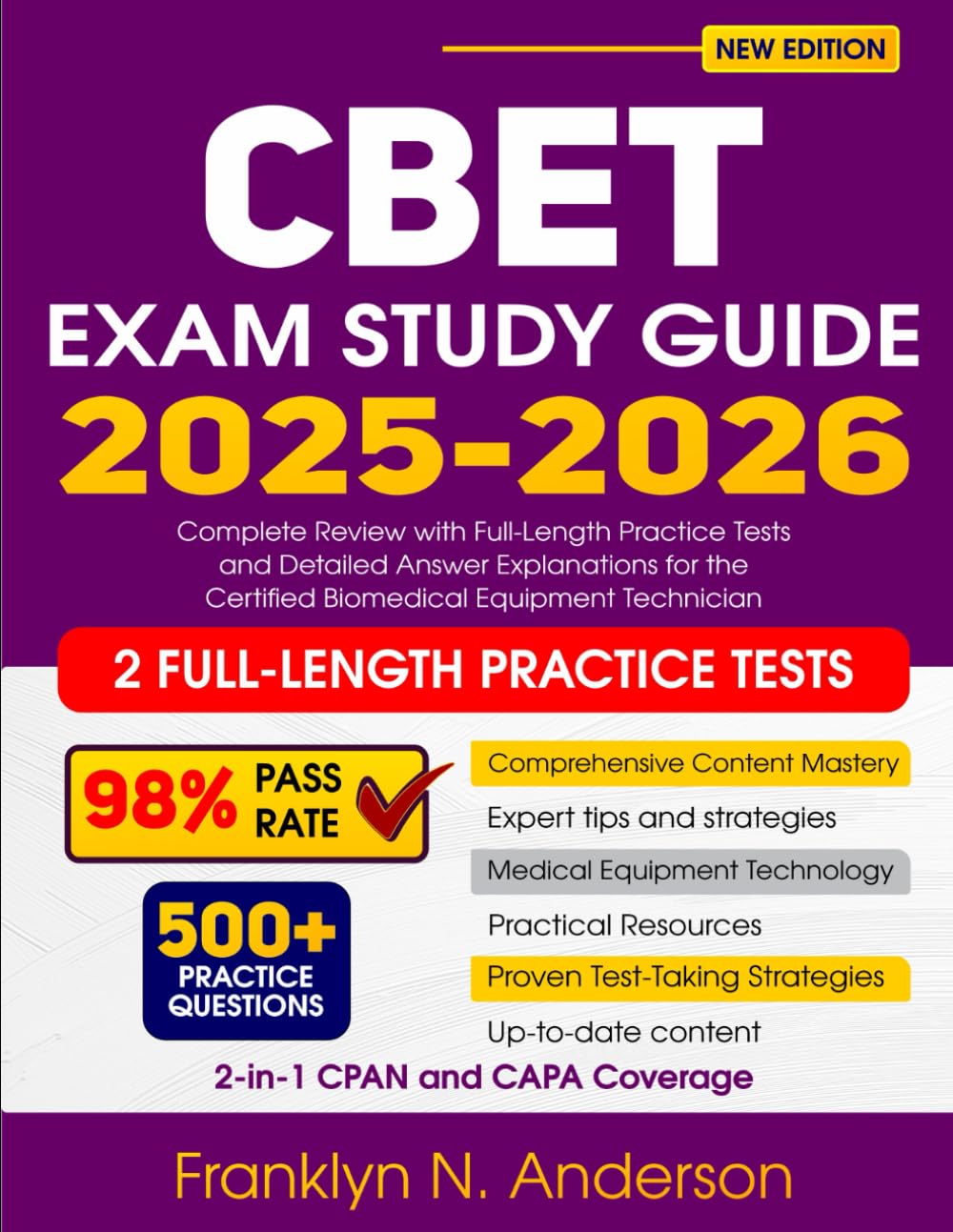
CBET Exam Study Guide 2025-2026
View on Amazon →
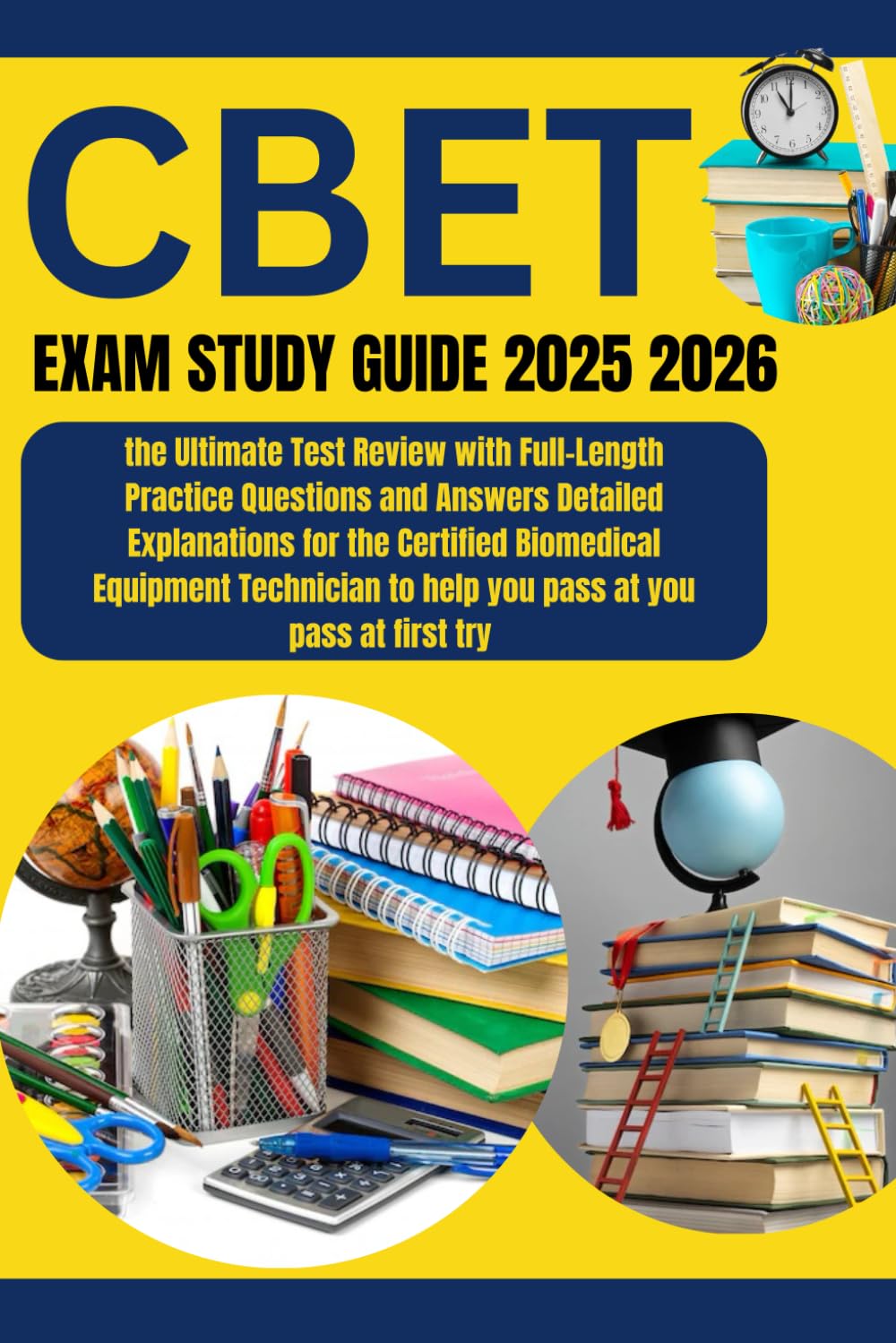
CBET Exam Study Guide 2025-2026
View on Amazon →
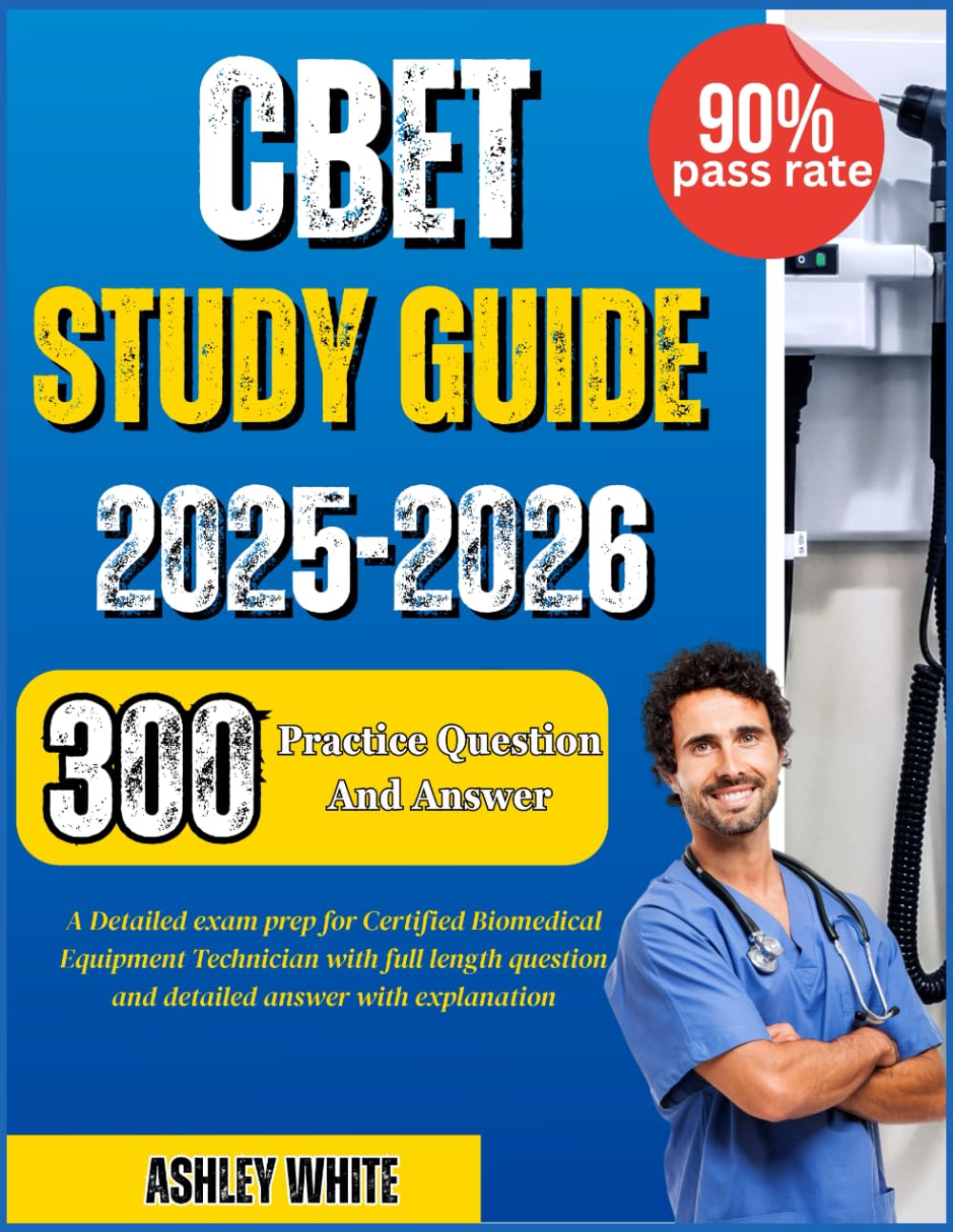
CBET Exam Study Guide 2025-2026
View on Amazon →
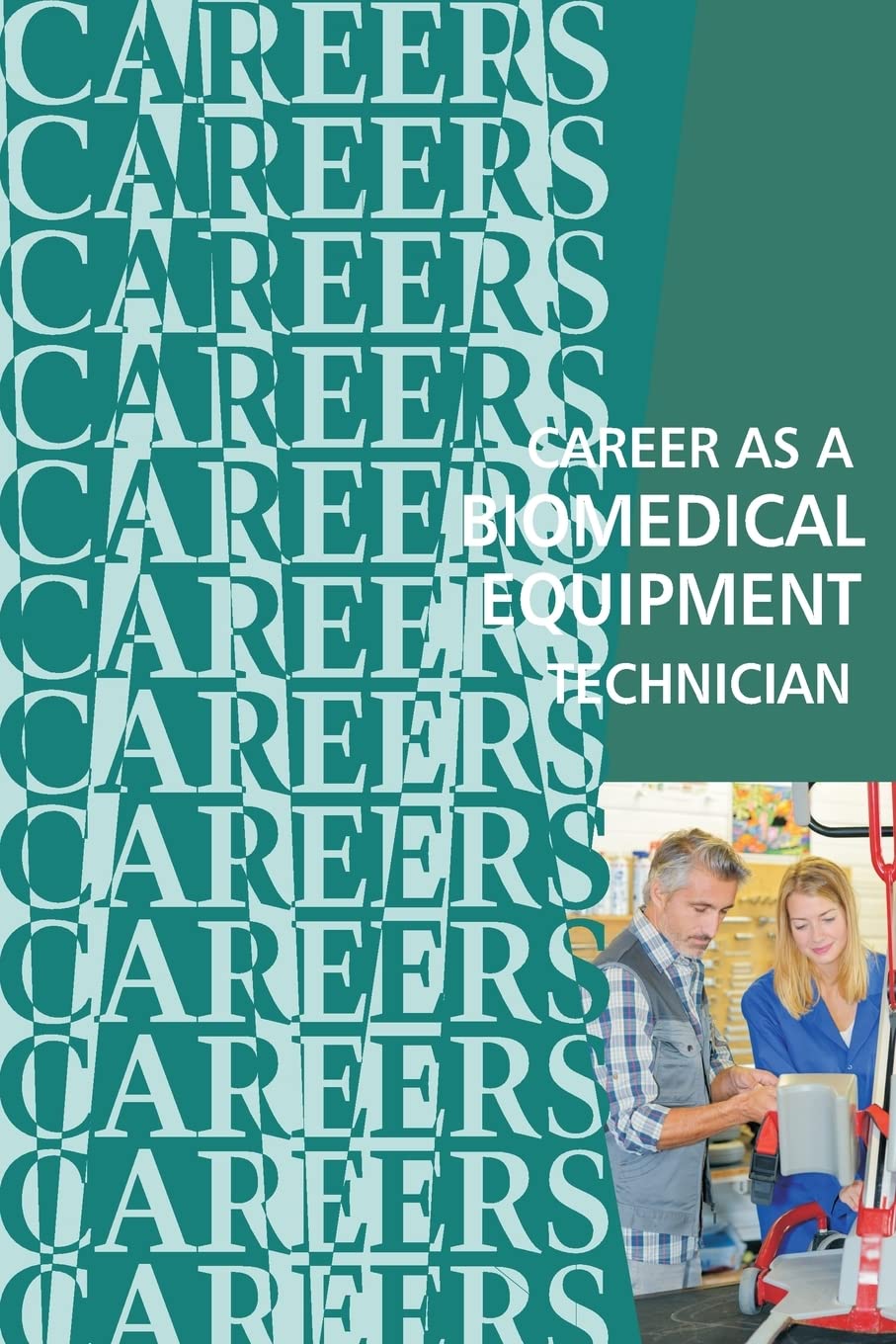
Careers as a Biomedical Equipment Maintenance Technician
View on Amazon →
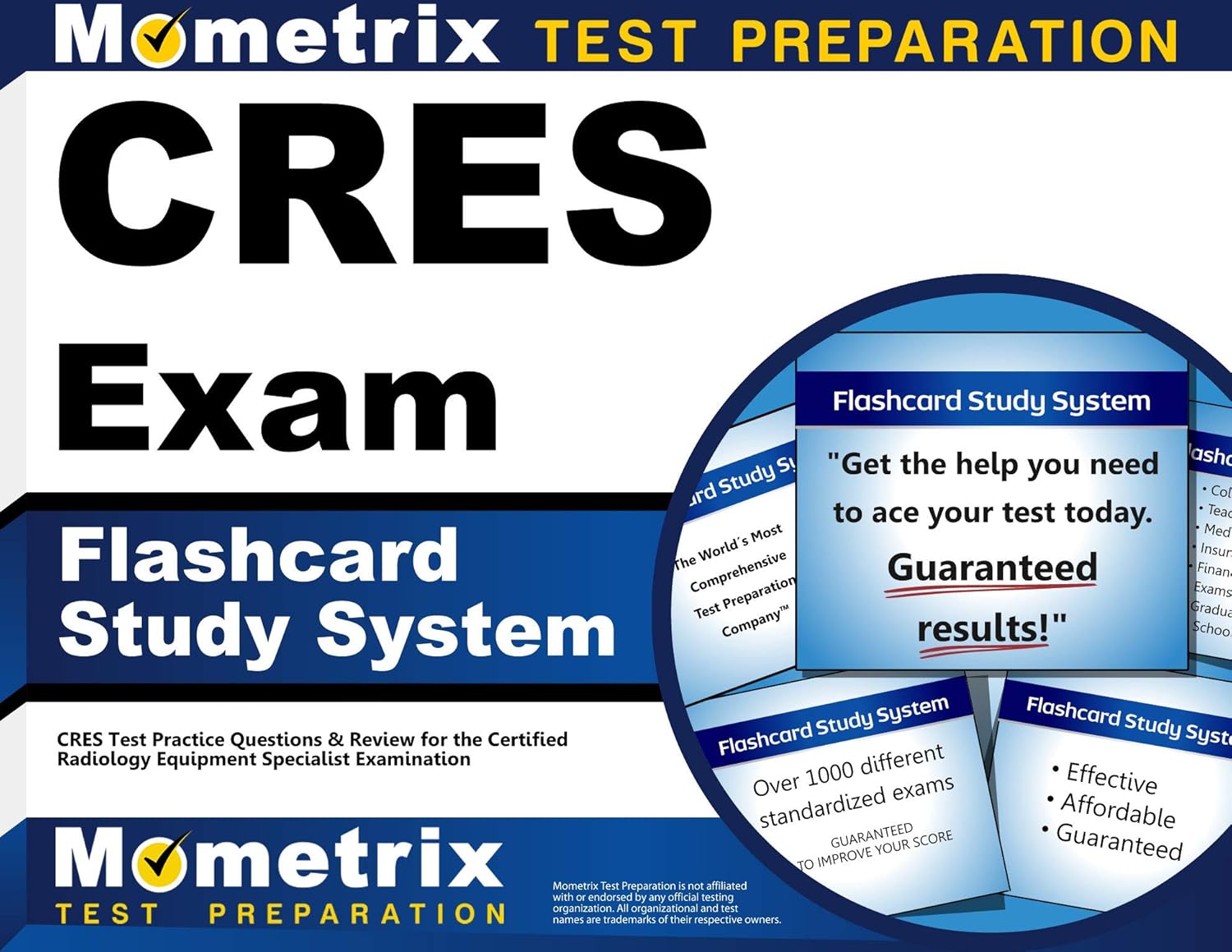
CRES Exam Flash Cards
View on Amazon →
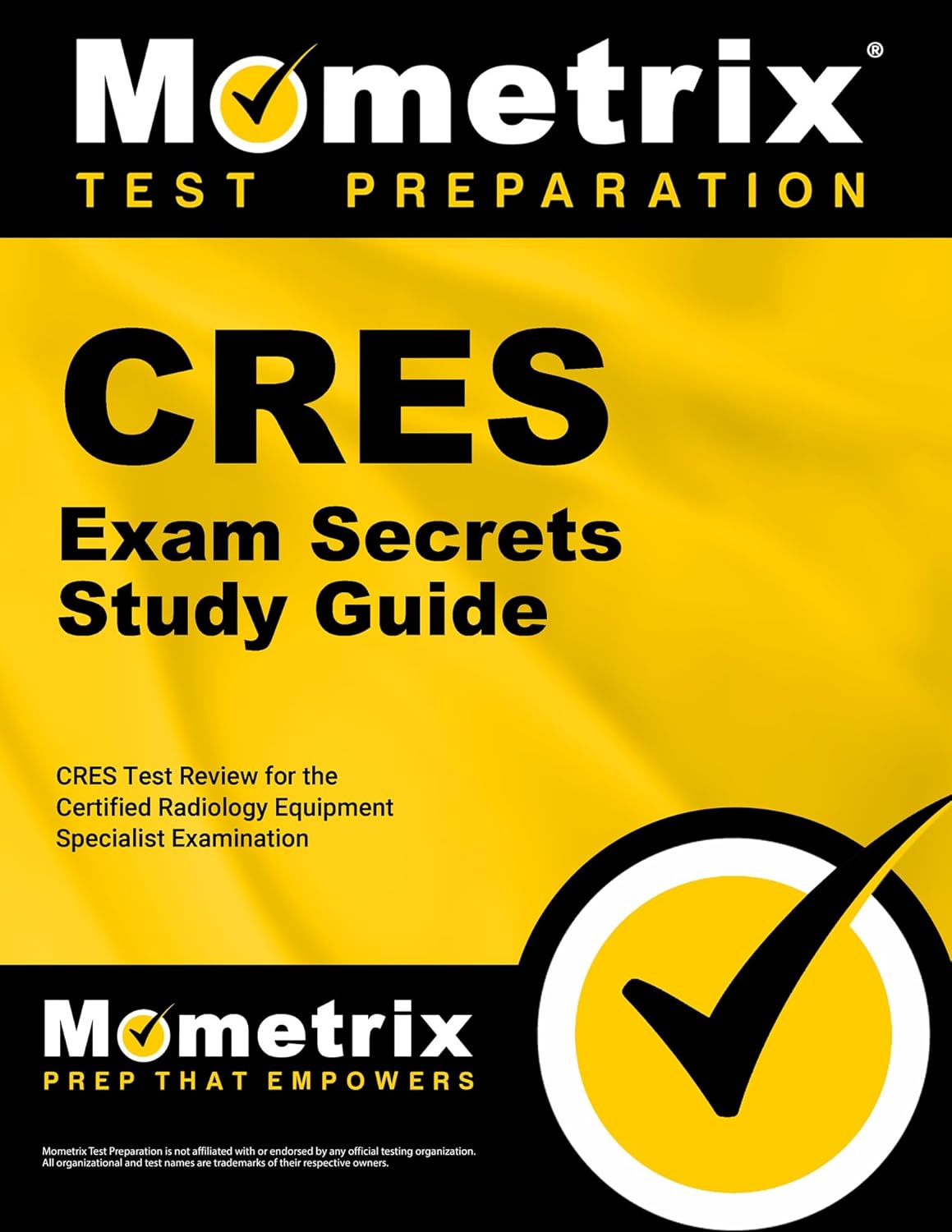
CRES Exam Study Guide 2025-2026
View on Amazon →
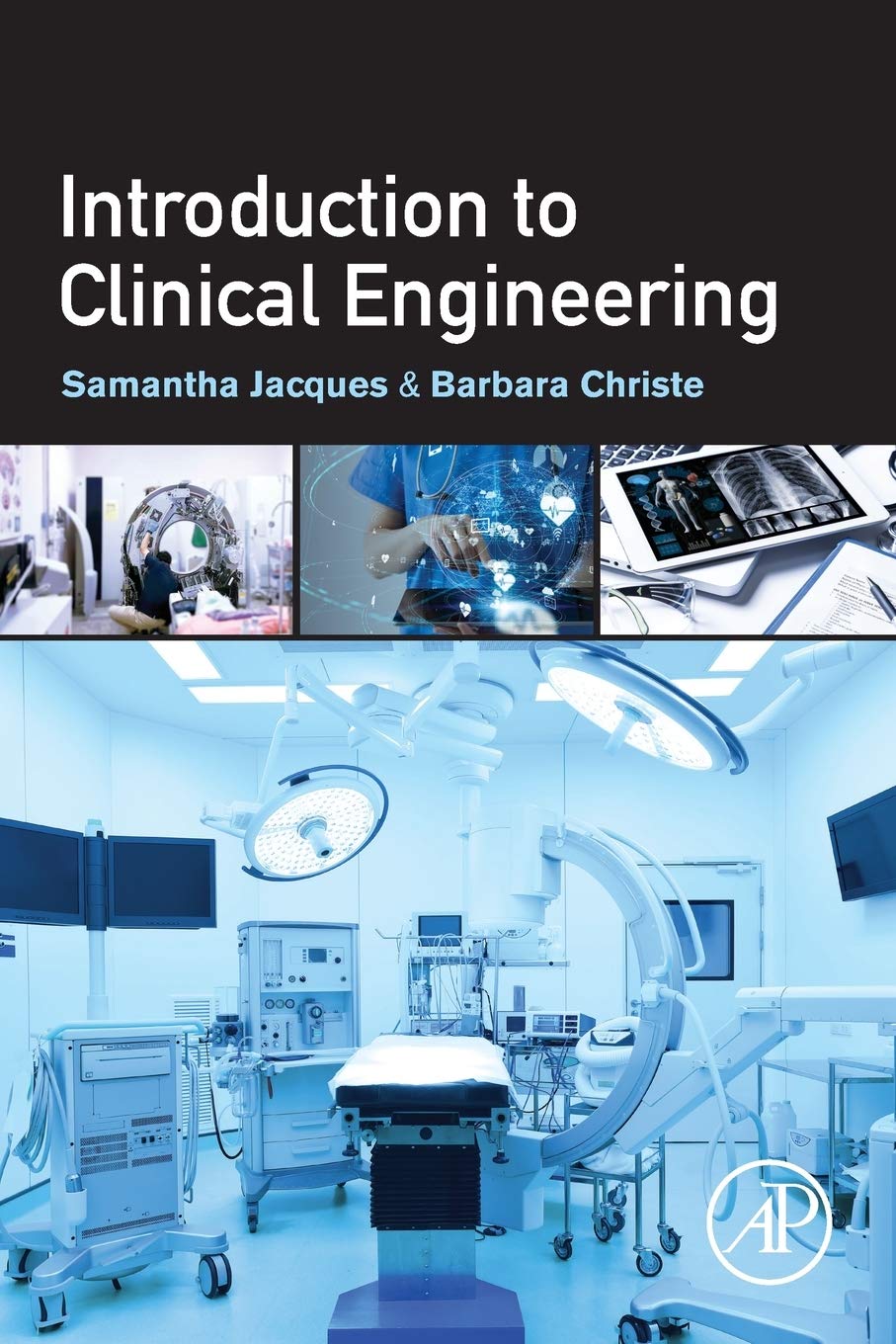
Introduction to Clinical Engineering
View on Amazon →
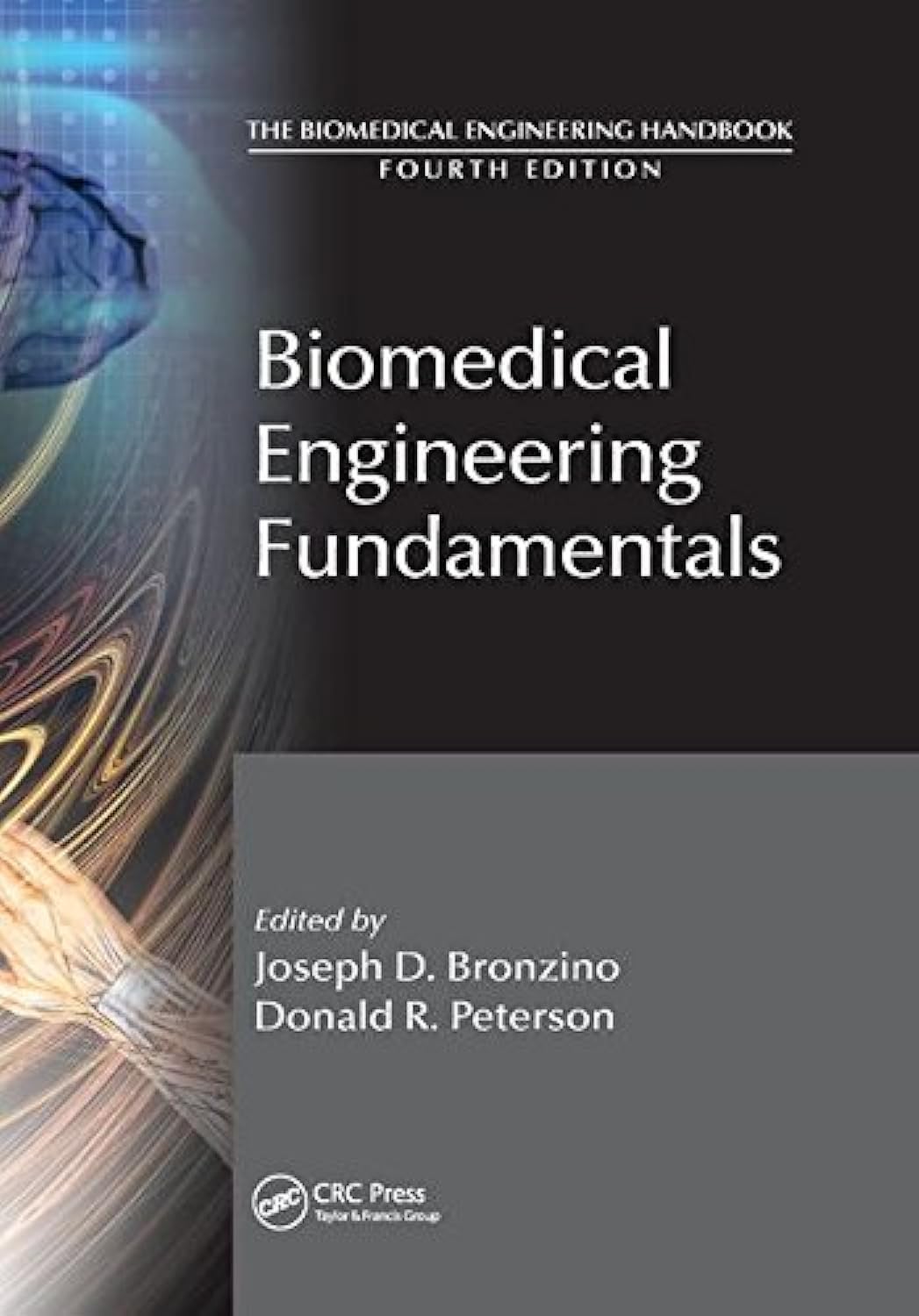
Biomedical Engineering Fundamentals
View on Amazon →
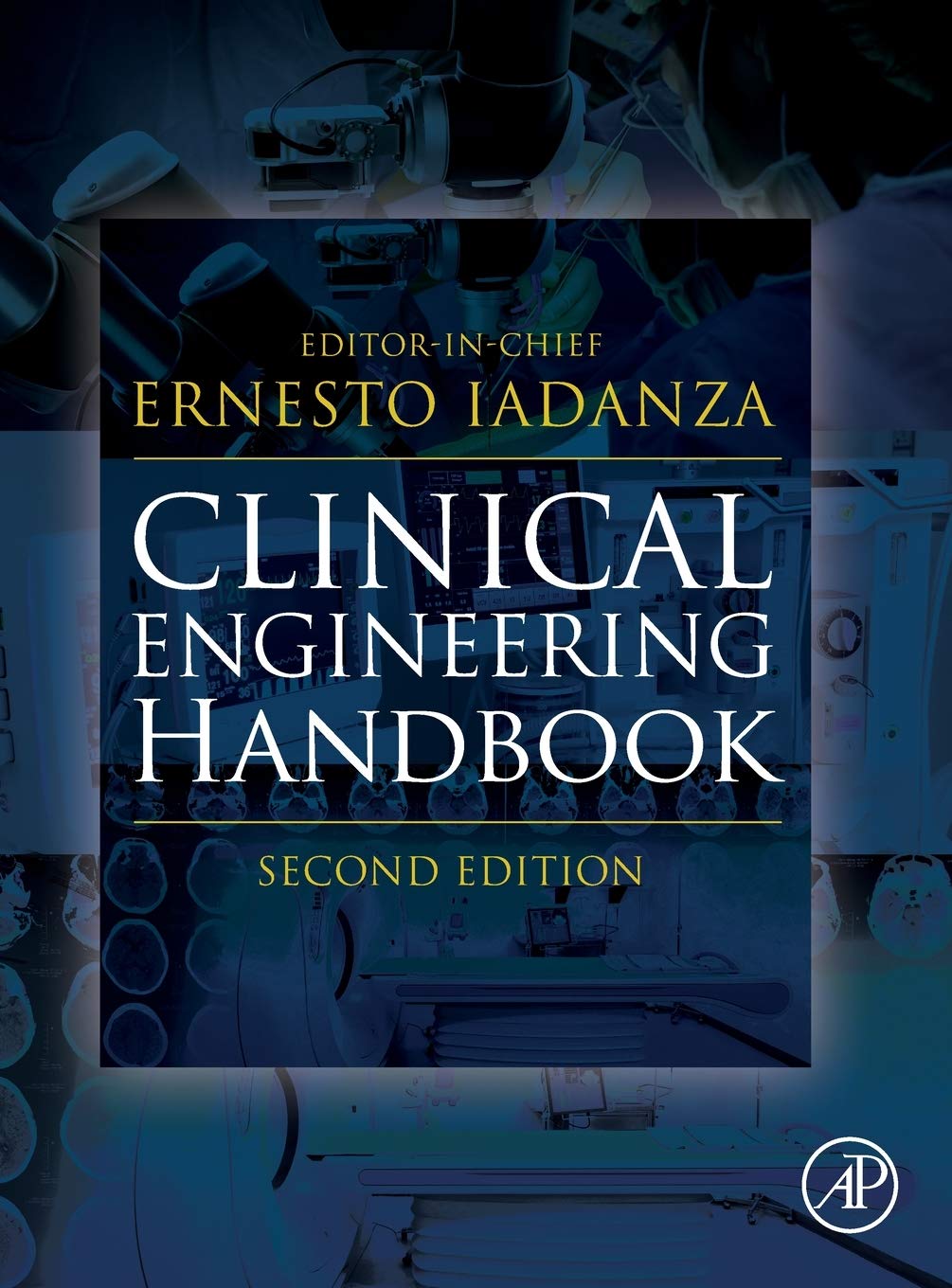
Clinical Engineering Handbook
View on Amazon →
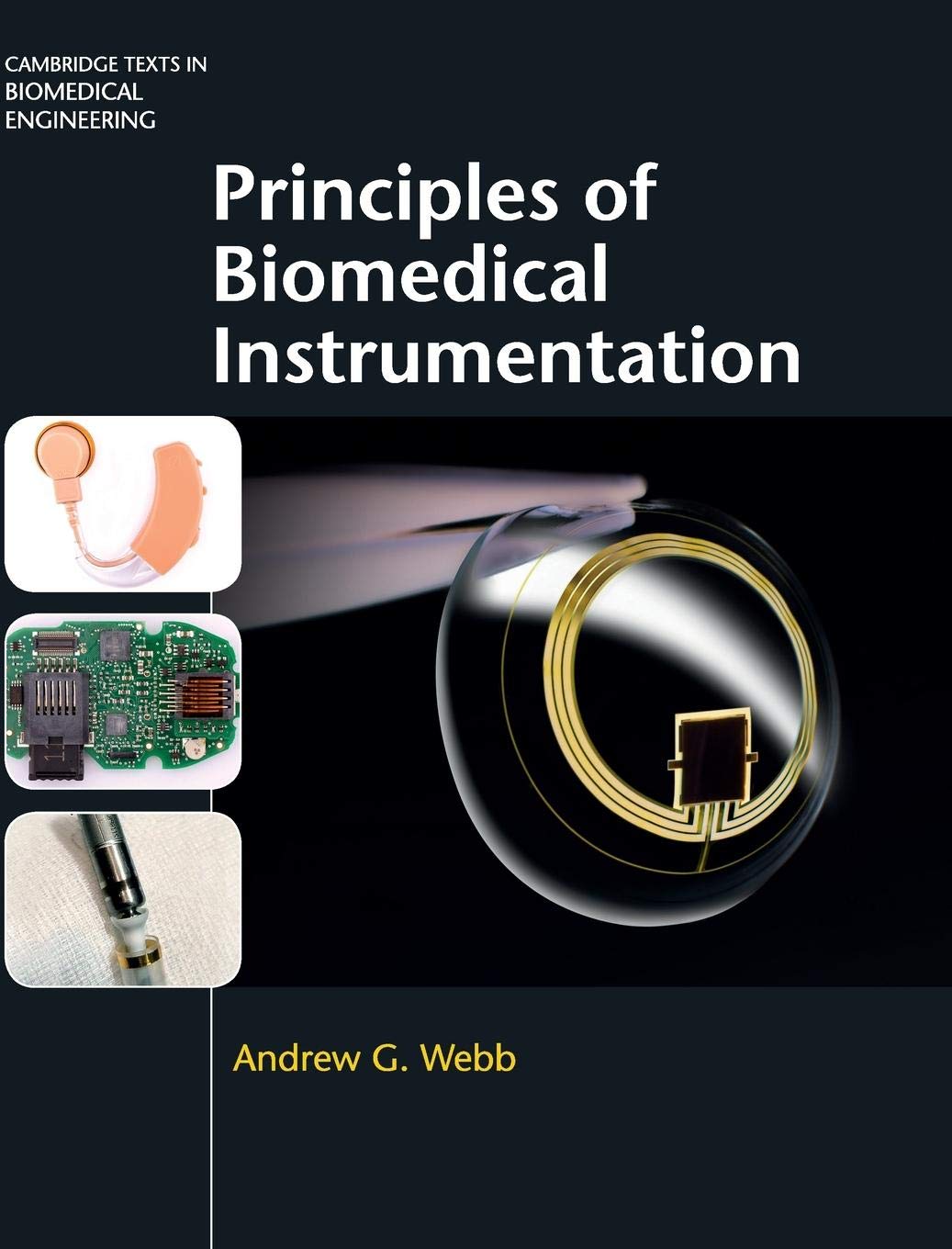
Principles of Biomedical Instrumentation
View on Amazon →
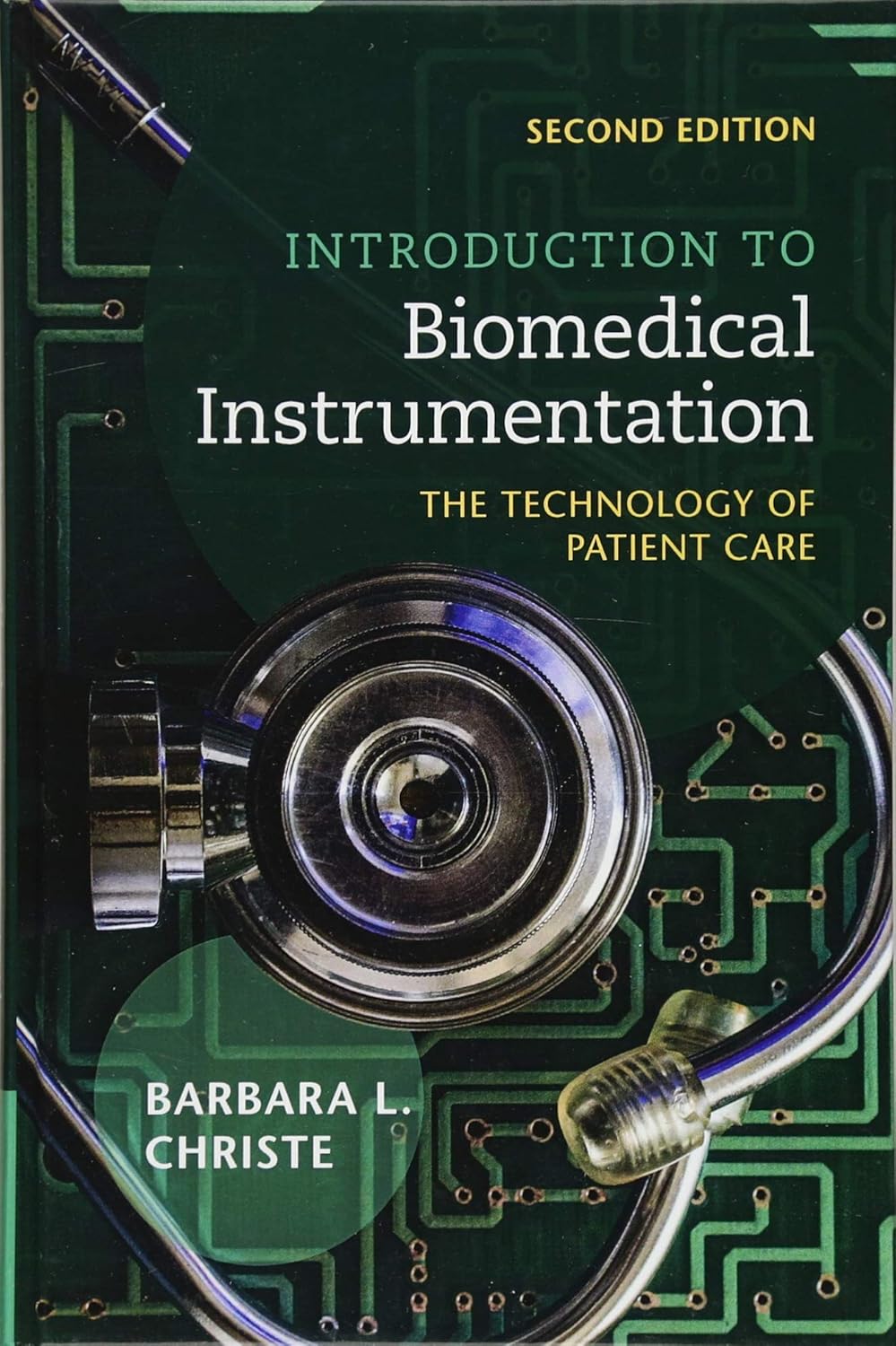
Introduction to Biomedical Instrumentation
View on Amazon →
Maintenance of Medical Technology
View on Amazon →
Introduction to Biomedical Engineering Technology
View on Amazon →
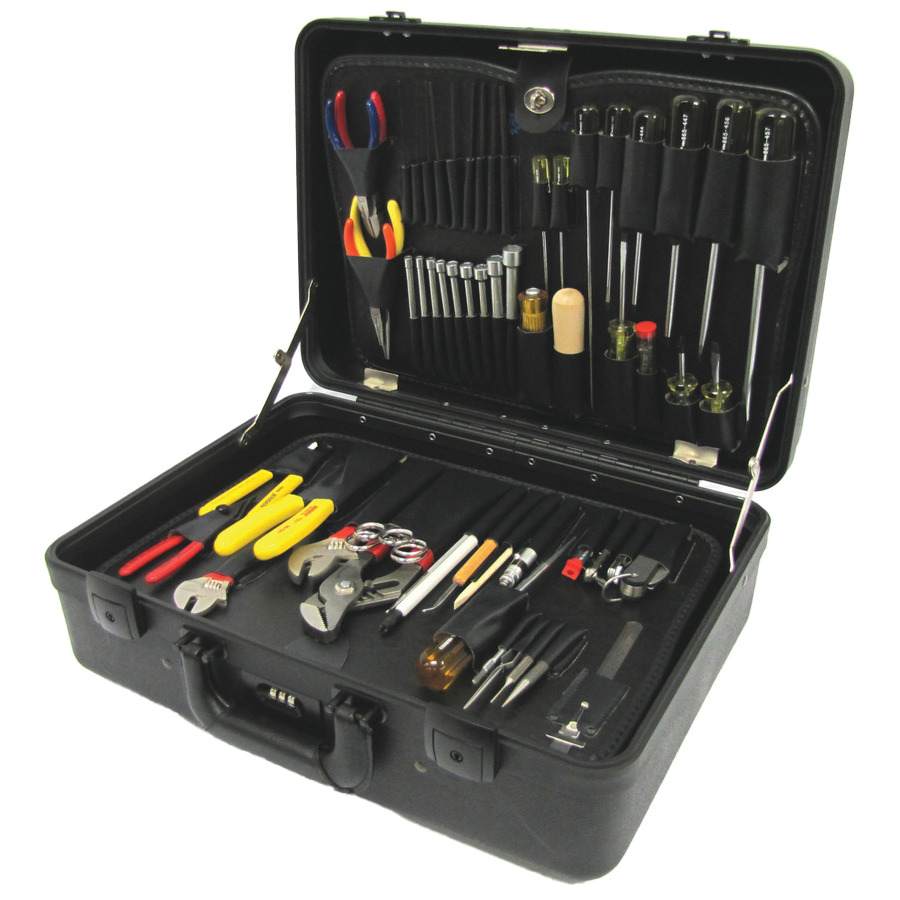
Jensen Biomedical Equipment Maintenance Technician Toolkit
View on Amazon →
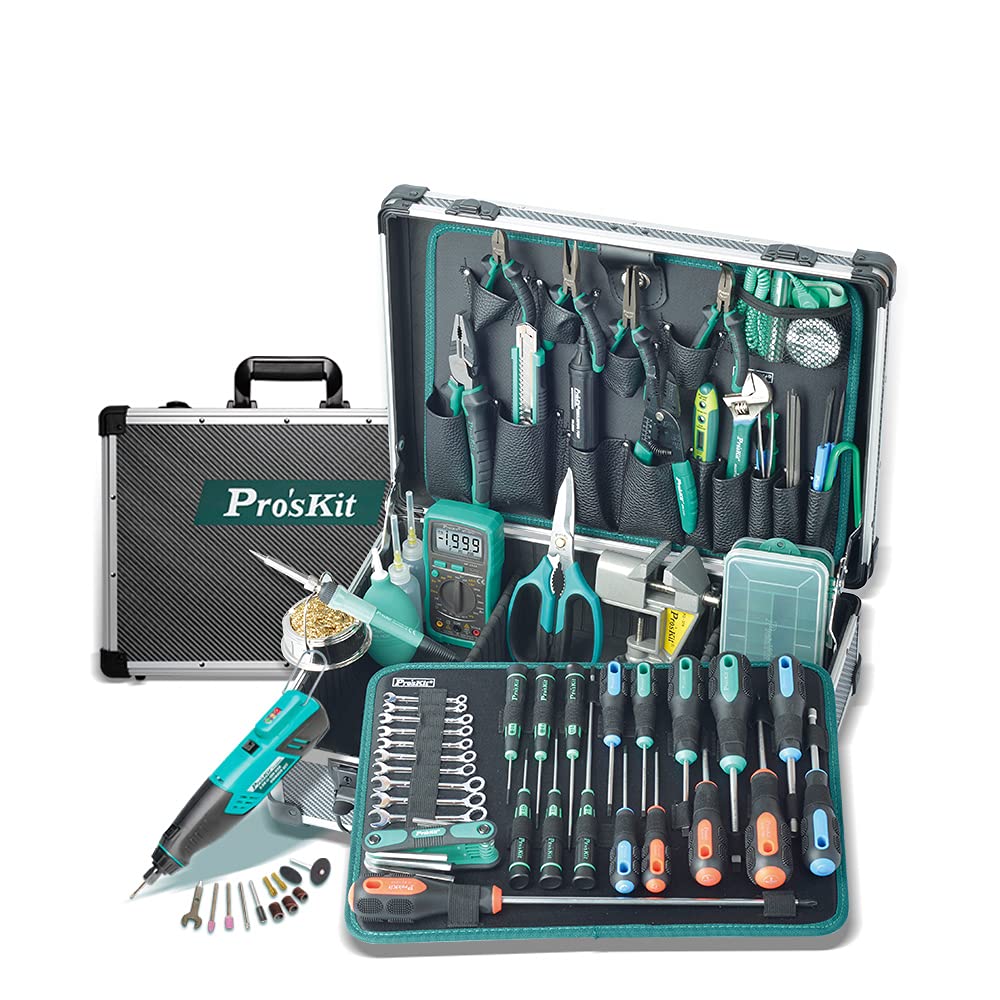
Pro's Kit Electronics Toolkit
View on Amazon →
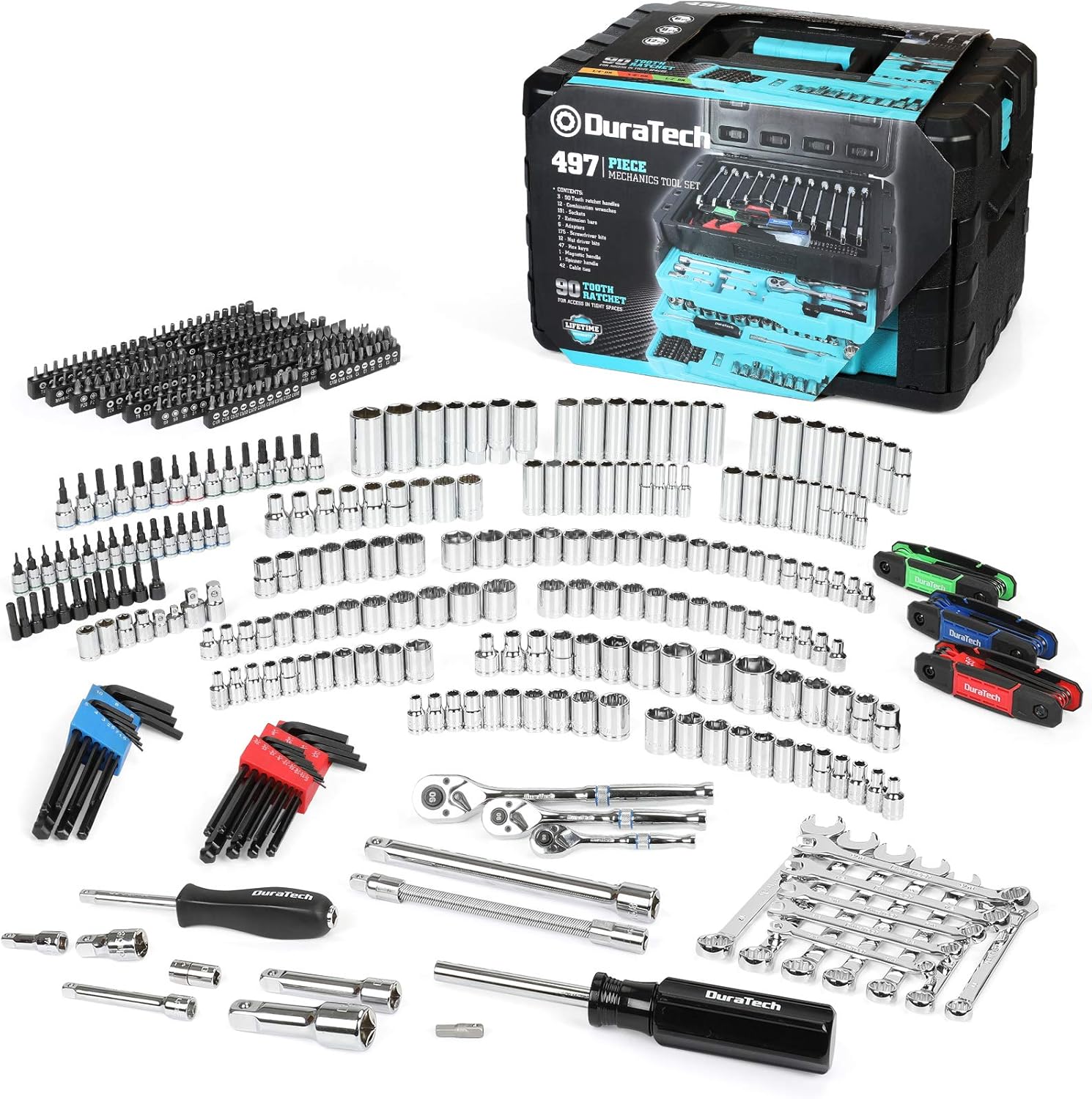
Duratech 497-Piece Mechanics Toolkit
View on Amazon →